Aligning WaterAid’s global digital strategy for their next chapter
Aligning WaterAid’s global digital strategy for their next chapter
All key stakeholders have a shared understanding and buy in to a unified digital strategy.
A realistic expectation of budget defined to facilitate the next steps to implement the strategy.
A clear brief, including core goals, needs, and strategy prepared as part of the request for proposal.
Setting the scene
WaterAid is a leading international organisation on a mission to bring clean water and hygiene to everyone, everywhere. They’re well known for bold, creative campaigning and have done a brilliant job growing awareness globally, especially in the UK, with standout partnerships with the likes of Glastonbury and the London Marathon.
Digitally, things have become a bit more of a challenge. Their sites run on Drupal, but on a rather dated theme. Spinning up new campaign pages or entire sections had become clunky and inconsistent. This meant their digital ambitions weren’t quite lining up with their wider comms strategy.
The challenge
WaterAid wanted their Drupal ecosystem to be far easier for their content and marketing teams to use. They needed the ability to quickly launch new digital comms to support campaigns, and to archive old reports and content without wrestling with the CMS.
As a global organisation, they also needed a refreshed multisite setup that would let every country benefit from shared components, while still giving each team the flexibility to create region-specific journeys that support their own strategies.
They knew a rebuild was the right direction, but weren’t sure how to shape the scope, estimate a realistic budget, or align the needs of fundraising, content, and marketing stakeholders.
SystemSeed were hired to run a structured discovery process and in-person workshop, helping WaterAid define the web development scope, create high-level wireframes, and outline the technical architecture required to deliver on their organisational goals.
The solution
We led a month-long discovery process with WaterAid, including a five-day in-person workshop.
We began with a UX audit of the existing site, then carried out a thorough landscape review focused on WaterAid’s priority areas: strengthening their multisite strategy, improving donation conversion, and supporting a wider range of fundraising activities from events and campaigns to corporate giving.
Alongside this, we reviewed their current Drupal setup for editing and storing reports, and explored more modern, flexible approaches better suited to their future focus and goals.
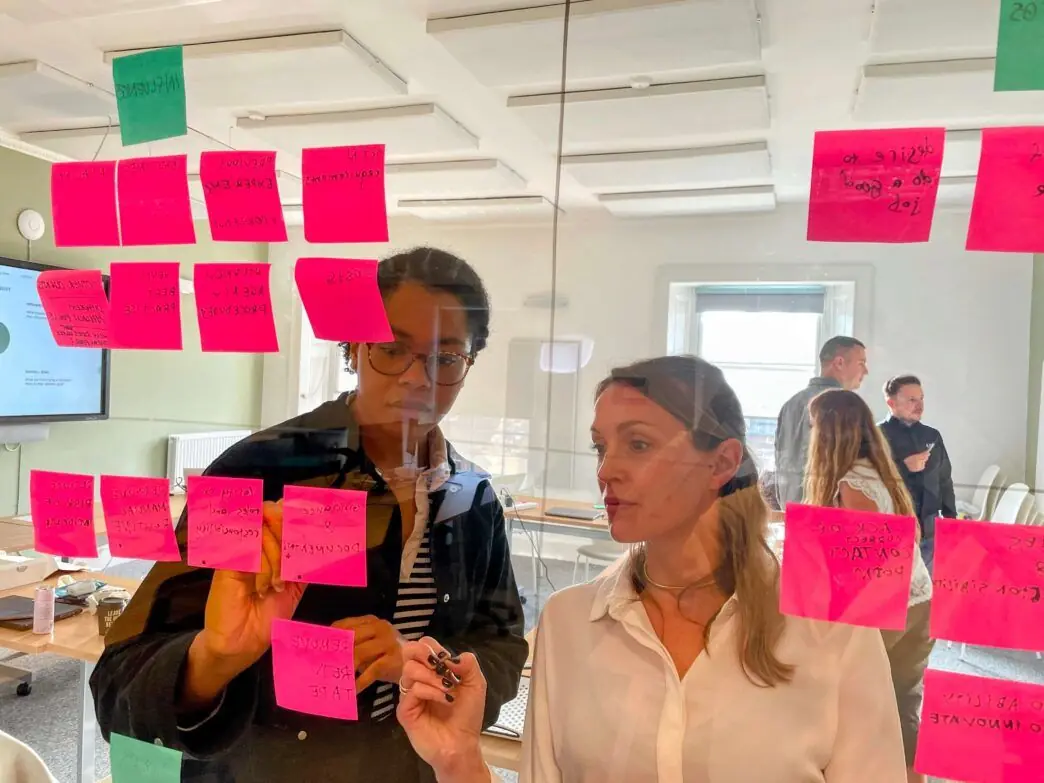
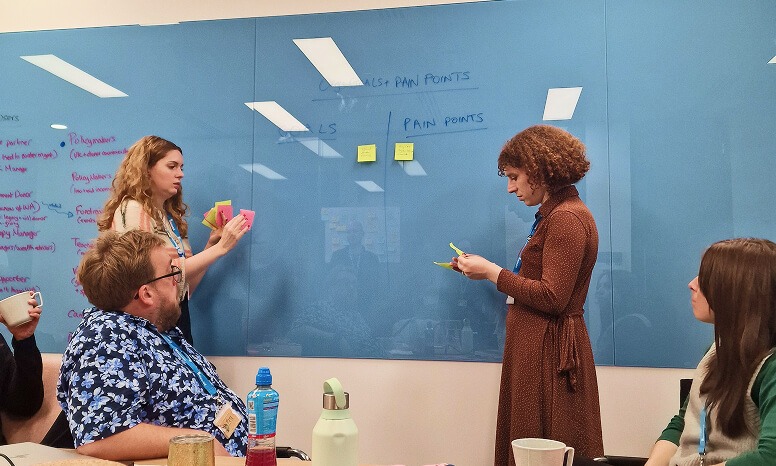
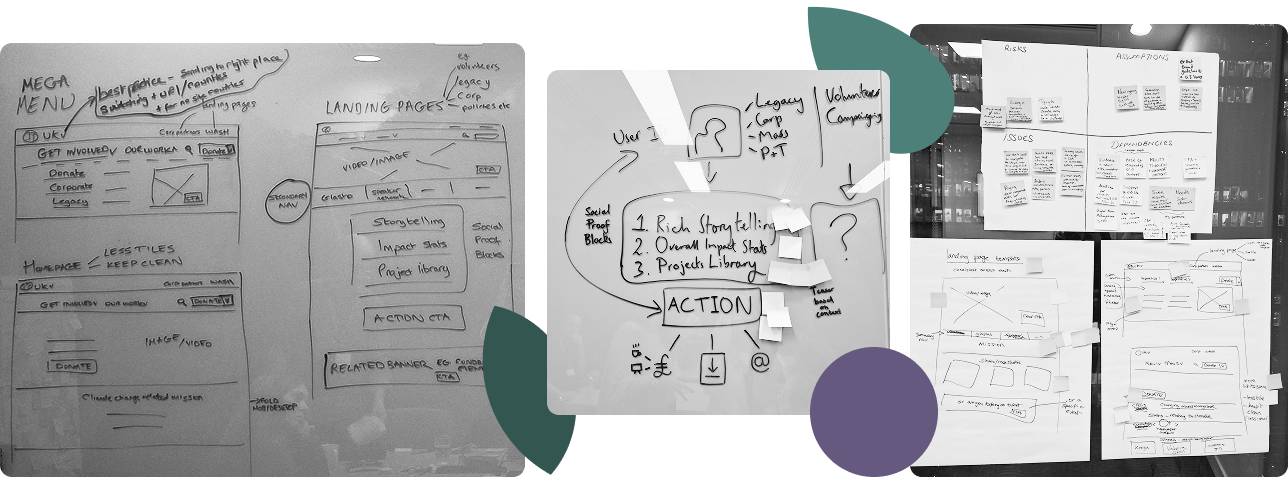
This groundwork set us up perfectly for the workshop, where we co-created optimal user journeys with stakeholders from marketing, fundraising, web and content. From this, we produced three key artefacts:
- High-level wireframes and user journeys for the most critical parts of the new site, covering donation CRO, multisite structure and clearer navigation.
- A recommended technical and hosting architecture, along with an improved Drupal editing setup designed around WaterAid’s future needs.
- Guidance on shaping the scope and requirements for their RFP, helping them brief and assess future development partners with confidence.
The outcomes
Following our discovery process, WaterAid were able to:
- Set an accurate, realistic budget for the site rebuild.
- Create a clear, detailed RFP that would make it easy for vendors to understand their needs and demonstrate their capability, as well as allow WaterAid to choose a suitable technical partner.
- Align all key stakeholders around a unified digital strategy and roadmap, that balanced immediate organisational priorities with WaterAid’s wider two-year strategic plan.